Health Tips
Everyday First-Aid Kit: The Essentials Checklist
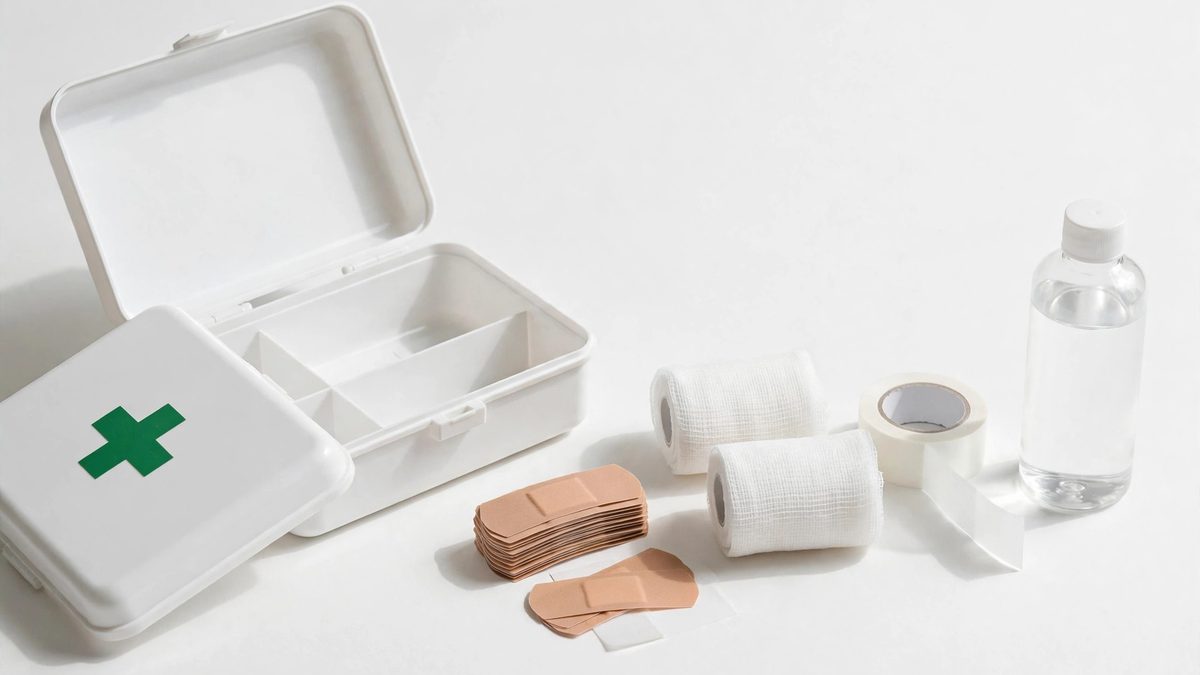
Most home emergencies are small: a cut while cooking, a scraped knee, a burn from a hot vessel, a sudden fever at midnight. A good first-aid kit handles those calmly. Here is what we recommend keeping in one clearly labelled box that everyone in the house can find.
The basics
- Adhesive bandages in assorted sizes
- Sterile gauze pads and a roll of adhesive tape
- A crepe bandage for sprains and support
- Antiseptic solution or wipes for cleaning wounds
- Cotton wool and safety pins
Tools
- Small scissors and tweezers
- A digital thermometer
- Disposable gloves
- A torch, for power-cut evenings
Medicines corner
Keep a small, familiar set — and only what your family actually uses:
- Paracetamol for fever and pain
- ORS sachets
- An antacid your family tolerates
- Any personal medicines that must always be on hand, such as an inhaler for asthma
Check expiry dates every six months and replace what has lapsed. A first-aid kit full of expired antiseptic is a false sense of security.
Burns and bites
For minor burns, cool running water for several minutes is the first step — not toothpaste, ink, or home pastes. Keep a burn gel or sterile non-stick dressings if your kitchen sees a lot of action. For insect bites, a soothing calamine-type lotion is usually enough.
Know the limits of the kit
First aid buys time; it does not replace care. Deep cuts that will not stop bleeding, burns larger than your palm, head injuries, chest pain, or difficulty breathing need emergency help immediately — call 112 first, then worry about the kit.
Need to build or refresh a kit? Drop by Elegant Pharma in JC Nagar with this checklist and we will put one together with you at the counter.
This article is general information only and not a substitute for medical care in an emergency.